

Claw clips are everywhere again.
In school drop-offs. Birthday parties. Playdates. Holiday photos. Even bedtime routines. They’re fast. They’re cute. They save time.
But parents keep asking the same question, Are claw clips bad for your hair?
The concern is real. No one wants breakage, thinning edges, or painful tangles. Especially when styling kids’ hair every single day.
So let’s clear the noise.
No myths. No trends. Just facts.
This guide breaks down when claw clips help, when they hurt, and how to use them the right way for babies, kids, teens, and even moms.
Why Parents Are Worried About Claw Clips
Hair damage doesn’t happen overnight.
It builds slowly.
A little pulling here.
A little tension there.
And suddenly hair feels thinner or breaks more easily.
That’s why the question are claw clips bad for your hair matters, especially for growing hair and sensitive scalps.
Most damage blamed on claw clips actually comes from:
-
Poor-quality materials
-
Over-tight gripping
-
Using the wrong size
-
Leaving clips in too long
The clip itself isn’t the enemy.
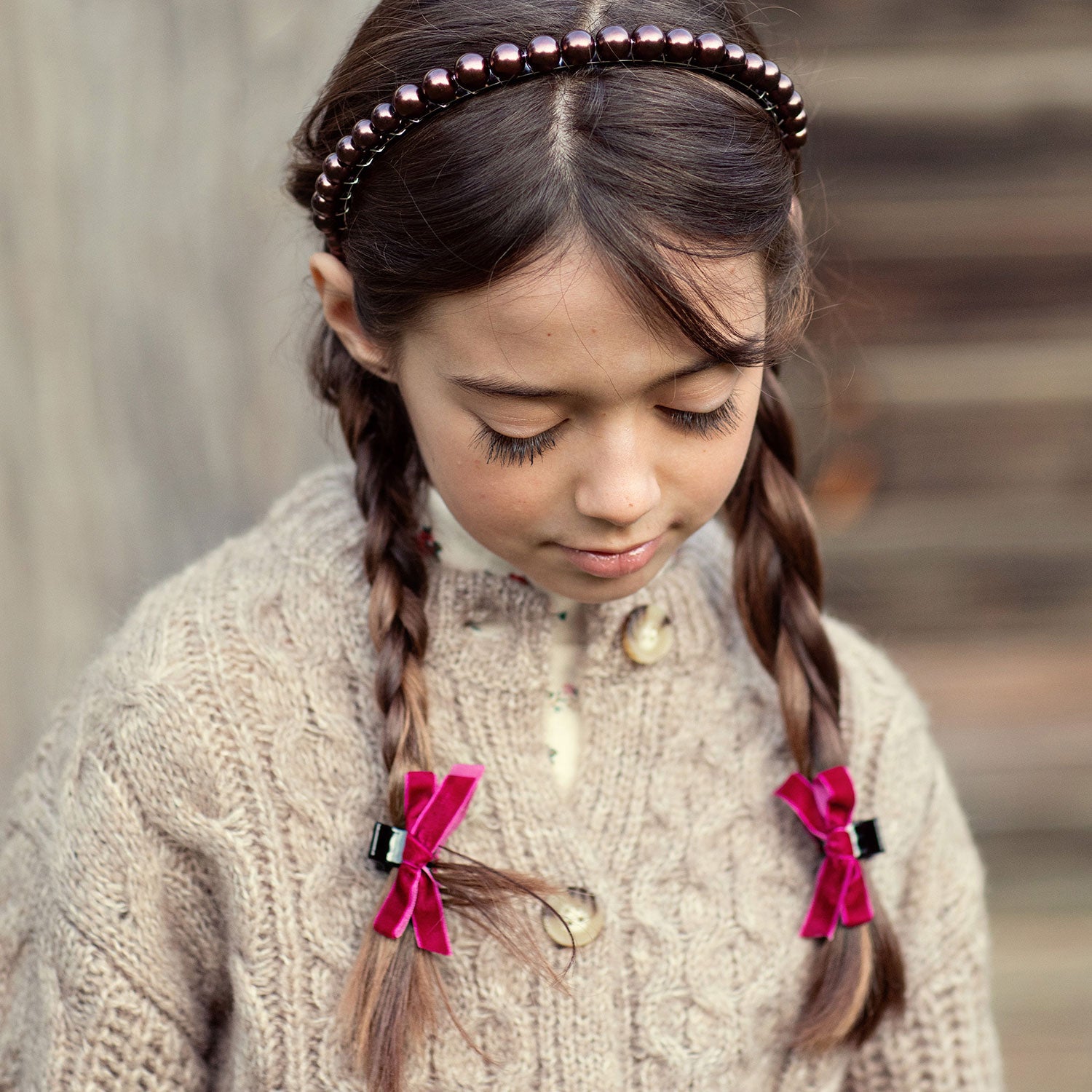
How it’s made and how it’s used is what matters. Studies show that over 60% of hair breakage in children and teens is caused by mechanical stress, including tight hairstyles, rough hair ties, and low-quality hair accessories rather than hair products themselves.
Are Claw Clips Bad for Your Hair or Just Misused?
Let’s be clear.
Claw clips are not automatically bad for your hair.
But they can be if they’re cheap, rough, or used incorrectly.
Hair breaks when:
-
The clip pulls at the same spot daily
-
Teeth snag fine strands
-
Pressure is uneven
-
Clips are too heavy
High-quality claw clips are designed to hold hair without stress. Poor ones force hair into submission.
That’s the difference.
So when someone asks, are claw clips bad for your hair, the real answer is:
Only the wrong ones are.
How Claw Clips Affect Different Hair Types
Hair is not one-size-fits-all.
And neither are claw clips.
Fine Hair
Fine hair is more prone to slipping and breakage.
Using a lightweight clip with smooth edges prevents pulling. Avoid oversized or heavy clips.
Thick Hair
Thick hair needs stronger grip but even pressure.
A well-made claw clip distributes weight instead of pinching.
Curly or Textured Hair
Curly hair tangles easily.
Smooth, rounded teeth reduce snagging and preserve curl shape.
Baby and Toddler Hair
Hair is fragile and scalps are sensitive.
Mini claw clips with gentle tension are safest.
This is why quality matters more than style.
Are Claw Clips Bad for Kids’ Hair?
This is where parents worry most.
Kids move. A lot.
Hair gets tugged unintentionally.
But no, claw clips are not bad for kids’ hair when used correctly.
The biggest mistakes parents make:
-
Using adult-sized clips on kids
-
Choosing clips with sharp teeth
-
Pulling hair too tight before clipping
A child-friendly claw clip should:
-
Feel light
-
Have smooth edges
-
Hold without squeezing
Used properly, claw clips are actually gentler than tight elastics.
Are Claw Clips Bad for Your Hair Compared to Hair Ties?
This is important.
Hair ties cause:
-
Tension at one point
-
Creasing
-
Repeated friction
Claw clips distribute pressure across a larger area.
That means less breakage when done right.
For everyday styles, claw clips are often the safer option.
So if you’re asking are claw clips bad for your hair compared to ponytails, the answer is often no, they’re better.
When Claw Clips Can Cause Damage
Let’s be honest.
Claw clips can cause damage if you:
-
Clip wet hair (hair is weakest when wet)
-
Sleep in them
-
Use cracked or broken clips
-
Clamp the same section daily
Hair needs variation.
Even the best hair accessory can cause stress if overused.
Rotation is key.
Signs You’re Using the Wrong Claw Clip
Watch for these red flags:
-
Hair caught in the teeth
-
Headaches or scalp pain
-
Breakage near the crown
-
Clips slipping constantly
These signs answer the question are claw clips bad for your hair pretty clearly, the clip is wrong.
Why Quality Claw Clips Make All the Difference
Not all claw clips are created equal.
Premium claw clips:
-
Have smooth, polished edges
-
Use flexible but strong springs
-
Distribute pressure evenly
-
Don’t snag or snap hair
Cheap clips crack, tug, and pull.
This is where HaloLuxe-style quality changes everything.
How to Use Claw Clips Without Damaging Hair
Here’s how to make claw clips hair-safe:
-
Always start with dry hair
-
Twist hair loosely, not tight
-
Use the right size for the hair volume
-
Change placement regularly
-
Remove gently, never yank
Follow these steps and the question are claw clips bad for your hair becomes irrelevant.
Best Claw Clip Styles for Everyday Wear
Some styles are safer than others.
Best options:
-
Low twists
-
Half-up styles
-
Loose buns
Avoid:
-
High tight twists
-
Overloading small clips
-
Forcing thick hair into tiny clips
Simple styles protect hair best.
Are Claw Clips Safe for School and All-Day Wear?
Yes, if they’re comfortable.
A good claw clip:
-
Doesn’t pull when kids move
-
Doesn’t poke the scalp
-
Stays secure without tension
If a child forgets they’re wearing it, that’s a good sign.
Winter Hair and Claw Clips
Winter dries hair out.
Dry hair breaks faster.
That makes gentle styling even more important.
Claw clips are ideal in winter because they:
-
Reduce friction from scarves
-
Avoid elastic creases
-
Keep hair protected
Just avoid using them over bulky hoods or coats.
The Psychological Side Parents Don’t Talk About
Kids care about how they feel.
If a clip hurts, they’ll yank it out.
If it feels good, they’ll keep it in.
Comfort builds confidence.
And confidence builds routine.
That’s why hair accessories should never hurt.
What Parents Should Look for in a Claw Clip
Before buying, check:
-
Smooth teeth
-
Flexible spring
-
Lightweight feel
-
No sharp edges
These features protect hair long-term.
Final Thoughts for Parents
Hair care doesn’t have to be complicated.
It just has to be intentional.
Claw clips are one of the easiest, safest styling tools when chosen wisely. They save time. Reduce tension. And keep hair looking polished.
So the next time someone asks are claw clips bad for your hair, you know the truth.
It’s not about avoiding claw clips.
It’s about choosing better ones.
And better choices make all the difference.
FAQs
Q) Are claw clips better for your hair than hair bands?
Yes, claw clips are often better than hair bands because they spread pressure across more hair instead of pulling one tight point. This reduces tension, breakage, and creasing, especially when used correctly with loose styles and high-quality, smooth-edged clips.
Q) Does a claw clip cause hair thinning?
A claw clip does not cause hair thinning when used properly. Thinning usually comes from repeated tension, tight styles, or poor-quality clips. Using the right size, avoiding tight twists, and rotating placement helps protect hair and scalp health long term.
Q) What is the healthiest way to tie your hair?
The healthiest way to tie your hair is loosely, without pulling at the roots. Low ponytails, loose braids, or claw clip styles reduce tension. Always avoid tying hair too tight, especially when wet, and change styles regularly to prevent stress.
Q) What’s the most damaging thing for hair?
The most damaging things for hair are constant tension, heat styling, tight hairstyles, and rough accessories. Pulling hair back tightly every day, using cheap elastics, or styling wet hair aggressively leads to breakage, thinning, and long-term hair damage.